Running Physical Therapy in Bellevue, WA
Run Through It. Not Around It.
Runners come to us when hip, knee, ankle, or foot issues keep interrupting training — and rest alone isn't breaking the cycle. We find what's driving it, address it hands-on, and build you back to the mileage and demands that matter to you.
Running Through It Only Gets You So Far.
The Pattern Repeats Every Time You Build Mileage
Pain drops when you pull back. The moment you push volume again, the same limitation returns — because nothing about what's driving it has been addressed.
You're Cross-Training Instead of Running
Cycling and pool running help you keep a base. But they're not your goal. The limitation is still there, and every week away from the road compounds what needs to be fixed.
Compensation Is Loading Your Other Side
When one area is guarded, the hip, knee, ankle, or low back on the opposite side absorbs more than it should. Compensation doesn't stay in one place — secondary issues follow.
Running PT Built Around How You Actually Move
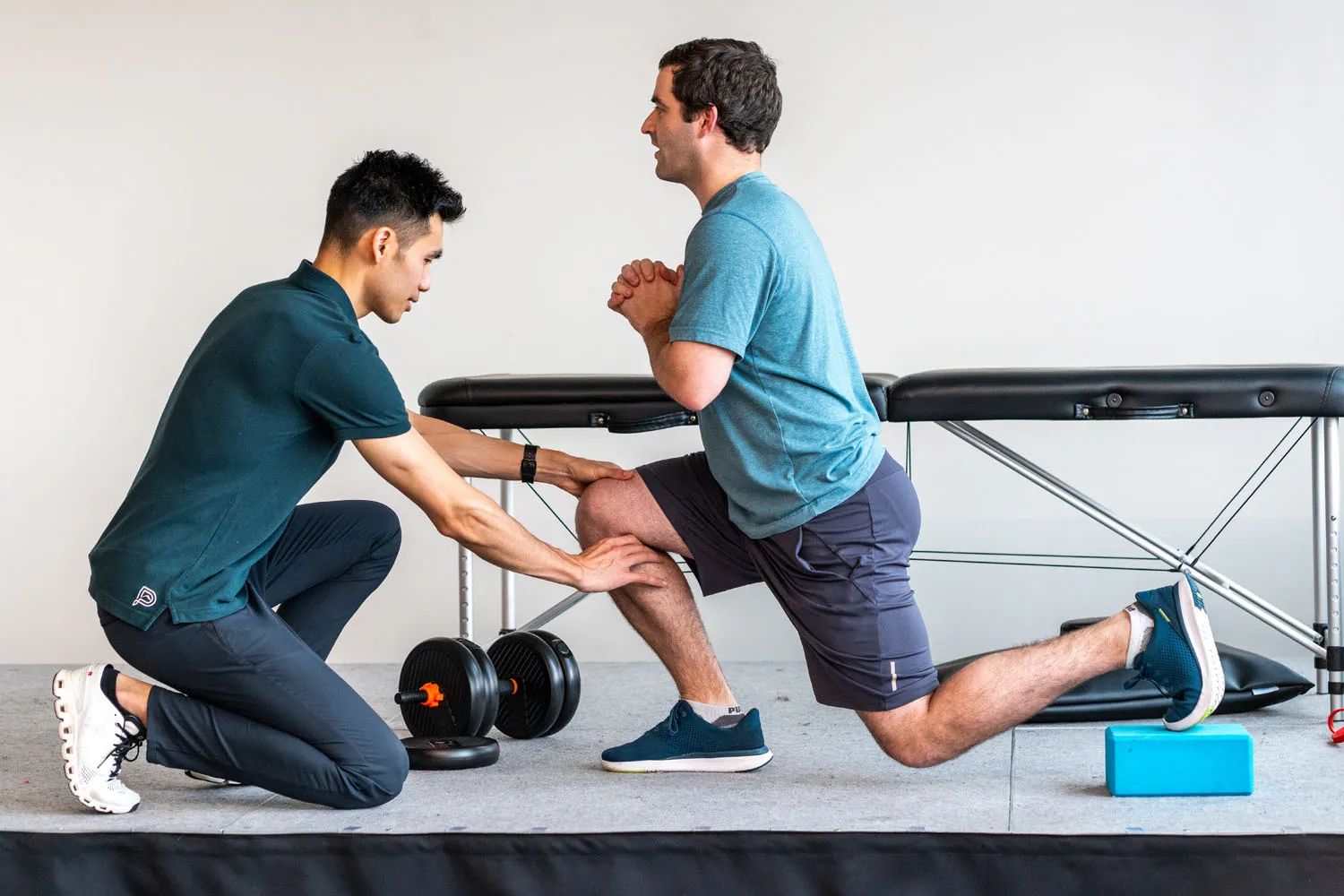
Running care at Continua Physio starts with understanding your movement patterns, load tolerance, and training goals. Hands-on treatment and return-to-running progressions follow from there — one provider, one plan, one hour at a time.
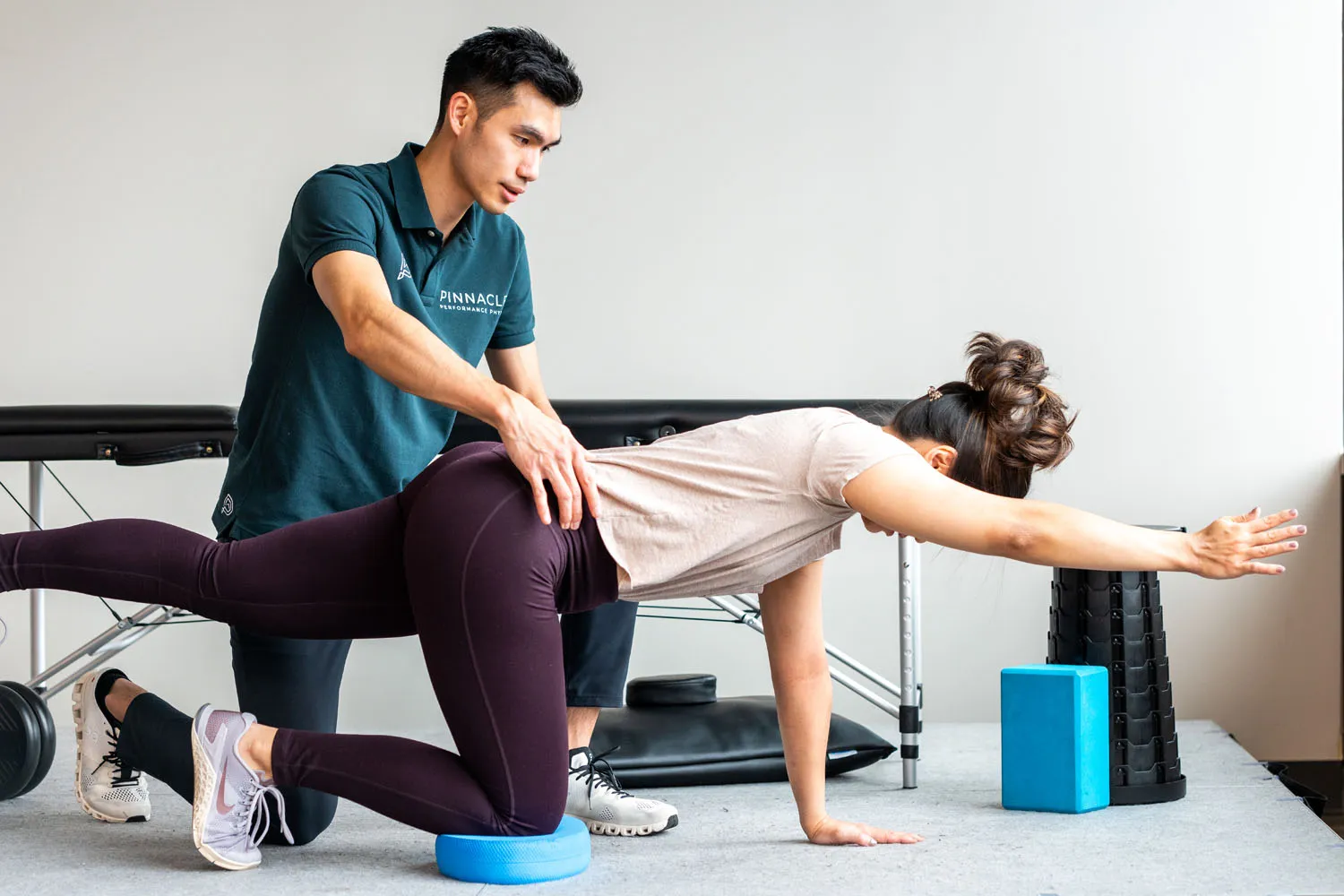
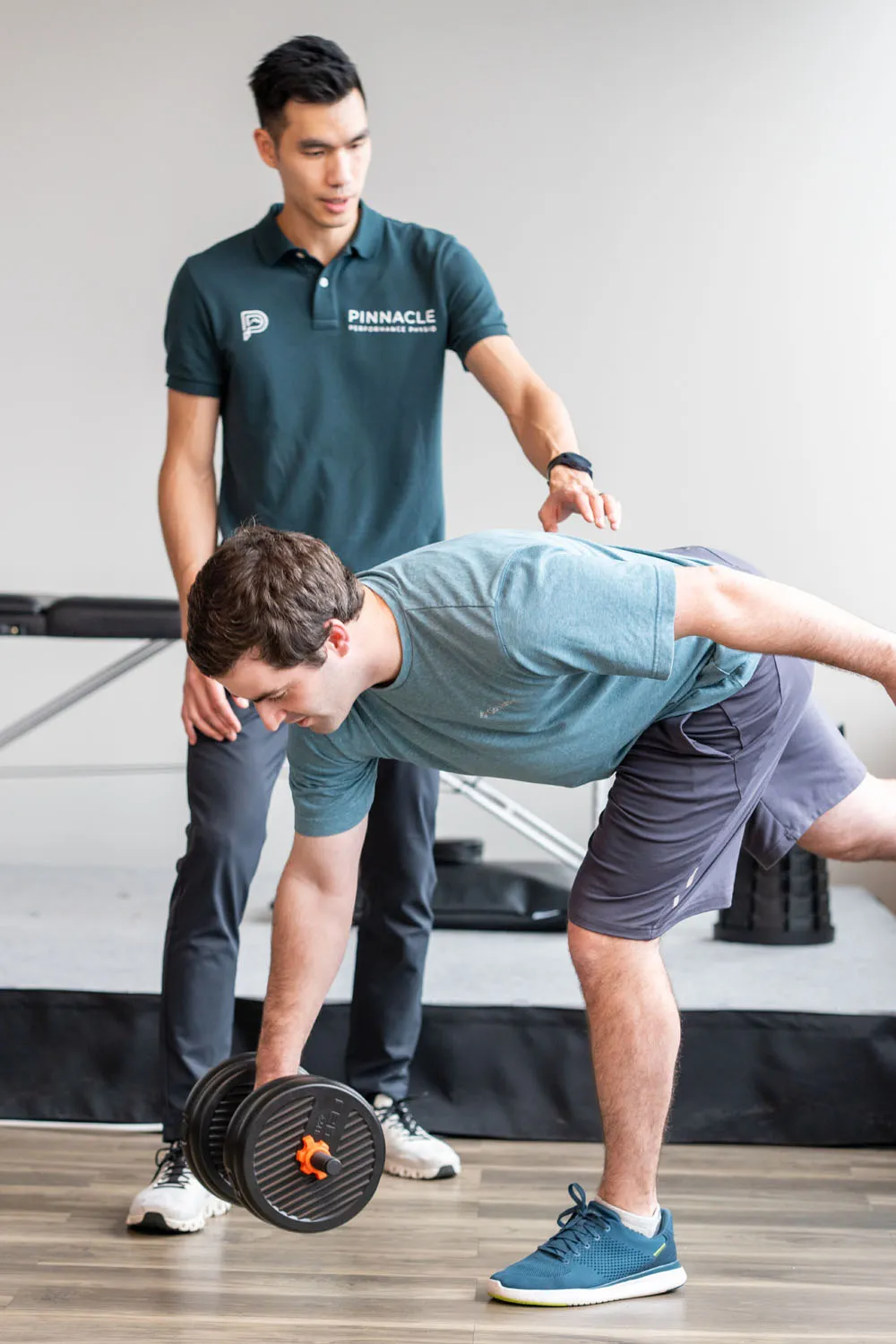
What Running Physical Therapy May Help Address
Runners come to us when pain, tightness, or recurring issues keep interrupting training and mileage. We look at what's driving it and address it from there.
Runner's Knee (Patellofemoral Pain) — Aching or sharp pain around or behind the kneecap that worsens with mileage, stairs, or descents and limits your ability to train consistently at volume.
IT Band Syndrome — Sharp or burning lateral knee pain that builds during longer runs or on descents and often forces an early stop, cutting into mileage, race prep, and training consistency.
Achilles Tendinopathy — Pain and stiffness along the Achilles that worsens with early morning steps and loading — a common overuse issue in runners ramping mileage or returning from time off.
Plantar Fasciitis — Sharp heel or arch pain that's worst with the first steps of the morning and flares with longer runs — often a load management issue with a clear mechanical driver underneath.
Shin Splints (Medial Tibial Stress Syndrome) — Aching or sharp pain along the inner shin that builds with mileage and forces reduced training — a common overuse issue in runners increasing volume too quickly.
Hip Pain and Hip Flexor Issues — Deep hip tightness, labral irritation, or hip flexor pain limiting stride length, loading, and training volume — often connected to how load is distributed across the lower extremity during a run.
Hamstring Strain and Proximal Hamstring Tendinopathy — Pain at the back of the thigh or deep in the glute that limits speed work, hills, and training load — a stubborn overuse injury runners often try to push through too quickly.
Ankle Sprains and Ankle Instability — Repeated ankle rolling, chronic instability, or pain limiting push-off and confidence on uneven terrain — affecting everything from trail runs to track workouts.
Three Steps to Getting You Sport-Ready
Schedule Discovery Call
Schedule a free discovery call. We'll talk through your situation and decide if we're the right fit.
Get Assessed
Your first session starts with a thorough assessment to find the root cause — then hands-on treatment begins.
Build and Return
We progress you through the capacity your sport demands so you can return confident — and stay there.
What Runners in Bellevue Are Saying
Verified Google reviews from runners and active people in the Bellevue area.


Frequently Asked Questions
Common questions before your first running PT appointment at Continua Physio.
Your first appointment includes a thorough evaluation — how you move, where you break down under load, and what's actually limiting your running. From there we build a plan that typically combines hands-on treatment, gait analysis, and a structured return-to-run progression. Every session is one-on-one with your physical therapist for the full hour.
It depends on what's driving the limitation and how long it's been present. Many runners notice meaningful changes within a few sessions. After your evaluation, we'll give you a realistic return-to-run timeline — including what progress should look like at each stage and how long a full course of care typically takes.
No — you can come in without an X-ray or MRI. We conduct our own movement assessment to understand what's limiting your running and what needs to be addressed. If imaging would be helpful, we'll let you know. Most running injuries can be fully evaluated and addressed without prior imaging.
Yes — running gait analysis is part of how we assess and plan care for runners. It helps us understand your mechanics under load, identify patterns driving your limitation, and build progressions that match how your body actually runs. It's one of several tools we use depending on what your situation calls for.
Continua Physio is a cash-based practice. We don't bill insurance directly, but we provide superbills you can submit for potential out-of-network reimbursement. HSA and FSA payments are accepted. Check with your insurer about your out-of-network PT benefits before your first visit.
Still have questions?
Not sure what's driving your running limitation? We're happy to help.
Ready to Get Back to Your Run?
Book a free phone consult to find out if running physical therapy is the right next step.